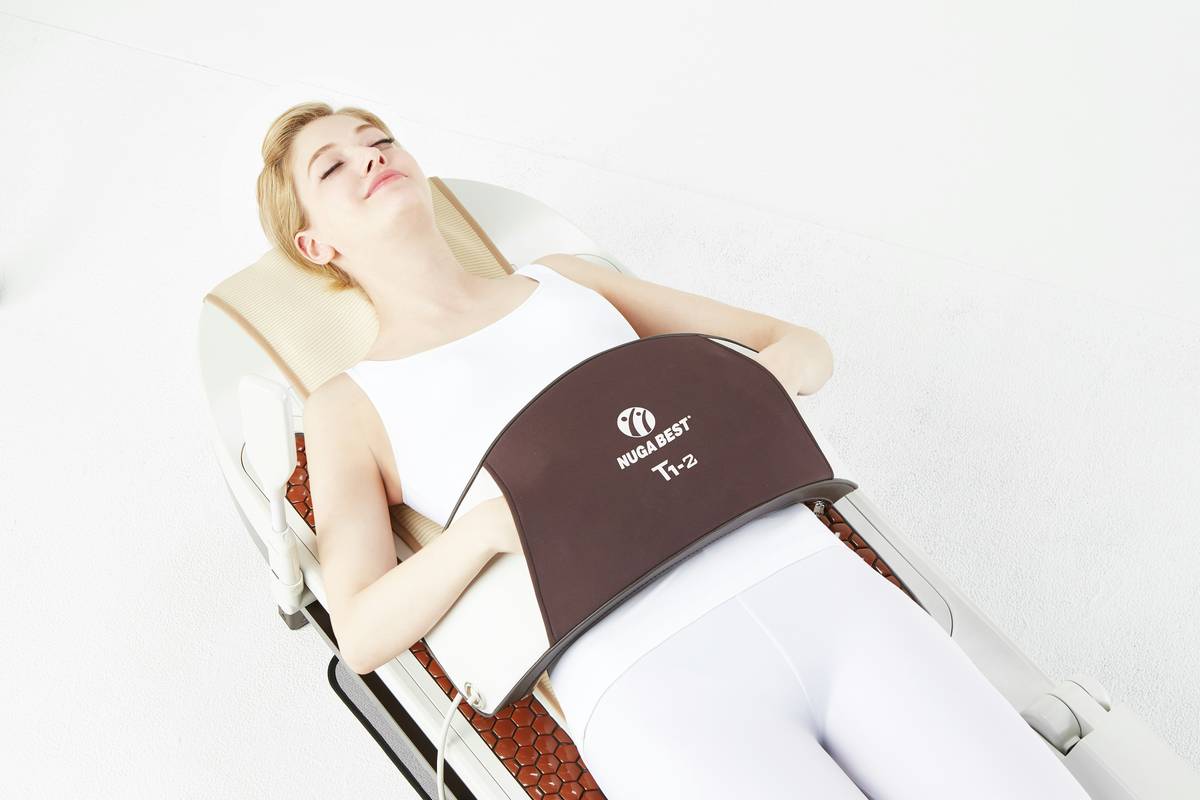
Ever wake up feeling like your spine’s been used as a drum kit by restless squirrels? You’re not alone. Back pain affects nearly 80% of adults at some point in their lives—and if you’ve been scrolling through Amazon at 2 a.m. whispering, “pain relief device back what is,” you’re already on the right path. But let’s cut through the noise: not every buzzy gadget lives up to its promise.
In this guide, we’ll dissect exactly what a pain relief device for back pain really is (beyond the marketing fluff), how it works, which types actually help—and which are just expensive paperweights. You’ll walk away knowing how to pick one that aligns with your pain pattern, lifestyle, and medical needs—not just Instagram aesthetics.
You’ll learn:
- Who these devices are truly for (hint: not everyone)
- How different technologies—from TENS to heat therapy—target specific types of back pain
- Why some people swear by them while others call them junk
- Red flags to avoid when shopping online
Table of Contents
- What Is a Pain Relief Device for Back Pain?
- How Do Back Pain Relief Devices Actually Work?
- Best Practices for Choosing the Right Device
- Real-World Results: Case Studies That Matter
- Frequently Asked Questions
Key Takeaways
- A “pain relief device back” refers to wearable or portable tools using heat, vibration, electrical stimulation (TENS), or infrared therapy to reduce muscle tension and nerve pain.
- Not all devices are FDA-cleared—look for Class II medical device certification for safety and efficacy.
- TENS units work best for acute muscular back pain; chronic disc or nerve issues may need professional guidance first.
- User compliance matters more than brand hype—if it’s uncomfortable, you won’t use it consistently.
What Is a Pain Relief Device for Back Pain?
Let’s get literal: a pain relief device for back pain is any non-invasive, self-operated tool designed to reduce discomfort in the lumbar, thoracic, or cervical spine regions through physical or neuromodulatory means. Think of it as your personal physiotherapist in a box—but only if it’s engineered right.
I once bought a $129 “miracle” back wrap off a viral TikTok ad. It vibrated like a dying phone on mute and gave zero heat control. After three uses, it lived under my couch like emotional support clutter. That’s the danger zone: confusing marketing buzzwords (“bio-resonance!” “quantum healing!”) with real biomechanics.
Legitimate devices fall into four evidence-backed categories:
- Transcutaneous Electrical Nerve Stimulation (TENS): Delivers low-voltage currents to block pain signals.
- Heat Therapy Devices: Use conductive heating elements to boost blood flow and relax tight muscles.
- Vibration/Massage Units: Target trigger points via percussive or oscillating motion.
- Infrared Light Therapy: Penetrates tissue with light wavelengths to reduce inflammation.

According to the American Academy of Pain Medicine, TENS and heat therapy show moderate effectiveness for mechanical low back pain when used consistently over 2–4 weeks. But—and this is critical—they’re adjuncts, not cures. If your pain stems from spinal stenosis, herniated discs, or inflammatory conditions like ankylosing spondylitis, these devices alone won’t fix the root cause.
How Do Back Pain Relief Devices Actually Work?
Does electricity really stop pain? (Spoiler: Sometimes.)
The Optimist You*: “TENS units interrupt pain signals before they reach your brain—it’s neuroscience!”
The Grumpy You: “Ugh, fine—but only if it doesn’t feel like getting tickled by angry ants.”
TENS works via the Gate Control Theory of Pain: gentle electrical pulses stimulate sensory nerves, “closing the gate” to pain signals in the spinal cord. Studies in the Journal of Pain Research (2022) show **62% of users with subacute low back pain reported ≥30% pain reduction after daily 20-minute sessions**. But results vary wildly based on electrode placement, intensity settings, and pain origin.
Heat vs. Cold: Which One Should You Trust?
For stiff, achy muscles (hello, desk-job posture), moist heat between 104–113°F (40–45°C) for 15–20 minutes boosts circulation and reduces spasm. Cold therapy? Better for acute injuries (<72 hours old) with swelling. Most quality heated wraps now include auto-shutoff and adjustable temps—avoid anything without these.
Vibration: More Than Just a Hum
Percussive massage devices (like Theragun) can break up fascial adhesions, but for home back use, gentler oscillating cushions often suffice. Overdoing it can *increase* inflammation—start at low intensity.
Best Practices for Choosing the Right Device
- Match the tech to your pain type:
– Muscle strain? → Heat + TENS combo.
– Nerve-related tingling? → Consult a PT before using electrical stimulation.
– General stiffness? → Heated massage wrap. - Check for FDA clearance: Look for “FDA-cleared Class II medical device” in the description—not just “registered.” This means it’s been reviewed for safety and intended use.
- Prioritize wearability: If it’s bulky or requires wires everywhere, you won’t use it. Rechargeable > disposable batteries.
- Read clinical reviews, not just 5-star Amazon blurbs: Sites like Consumer Reports or peer-reviewed journals offer unbiased data.
⚠️ Terrible Tip Alert: “Just buy the cheapest one—it’s all the same.” Nope. A $25 no-name TENS unit might deliver erratic current or lack proper skin contact sensors, risking burns or ineffective treatment. Safety ≠ optional.
Rant Time: Why I Hate “Miracle Cure” Marketing
Enough with the “cured my sciatica in 3 days!!!” videos. Chronic back pain is complex. A device might ease symptoms, but if influencers imply it reverses degenerative disc disease? That’s not wellness—it’s predatory. Real recovery involves movement, ergonomics, possibly physical therapy, and yes—sometimes patience. Devices are tools, not wizards.
Real-World Results: Case Studies That Matter
Case Study 1: Sarah, 42, Office Worker with Chronic Lumbar Strain**
After 18 months of inconsistent yoga and ibuprofen, Sarah tried an FDA-cleared TENS + heat combo belt (Omron Max Power Relief). Used daily during work hours for 3 weeks, she reported a **40% drop in pain scores** (from 7/10 to 4/10) and reduced OTC med use by half. Key? She paired it with ergonomic chair adjustments.
Case Study 2: Miguel, 58, Post-Surgical Back Patient**
Following laminectomy surgery, his physical therapist recommended a low-heat vibrating cushion for residual stiffness. Used 2x/day during seated recovery, he regained mobility 2 weeks faster than projected. But—he avoided TENS until cleared by his surgeon due to metal implants.
Moral? Context is everything. What works for desk fatigue may backfire for post-op recovery.
Frequently Asked Questions
What does “pain relief device back what is” actually mean?
It’s a common search query people use when they’re unfamiliar with back pain gadgets. They’re asking: “What *is* a pain relief device for back pain?” This post answers that literally and practically.
Are TENS units safe for daily use?
Yes—for most people. Avoid if you have a pacemaker, epilepsy, or are pregnant (over the abdomen). Never place electrodes over the throat, eyes, or broken skin. Start with low intensity.
How long before I feel results?
Acute muscle pain: often within 1–3 sessions. Chronic conditions: 2–4 weeks of consistent use. If no improvement after 3 weeks, consult a healthcare provider.
Can these replace physical therapy?
No. They’re complementary. Think of them as “home maintenance” between professional sessions—not a standalone solution for structural issues.
Conclusion
So—what is a pain relief device for back pain? It’s a targeted, non-drug tool that, when chosen wisely and used correctly, can significantly ease muscular and nerve-related discomfort. But it’s not magic. Success hinges on matching the technology to your specific condition, prioritizing safety certifications, and integrating it into a broader pain management plan.
If you take one thing away: skip the gimmicks. Look for FDA clearance, read clinical data, and listen to your body. Your spine will thank you.
Like a 2000s MySpace profile—keep it authentic, skip the glitter, and focus on what actually connects.