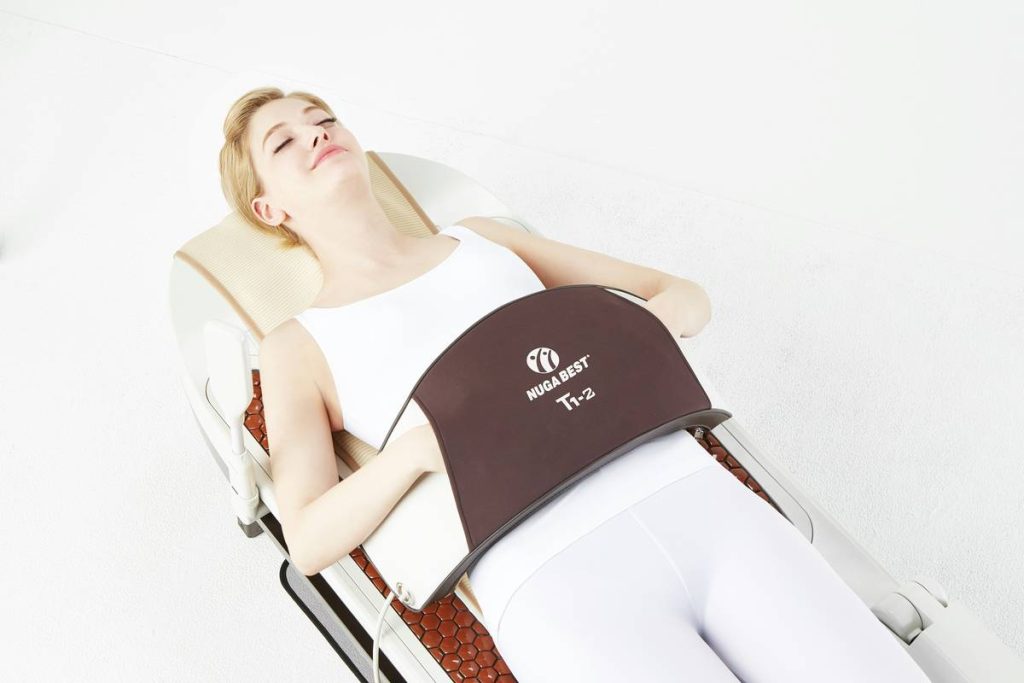
Ever wake up feeling like your spine’s been used as a coat rack overnight? You’re not alone. According to the NIH, nearly 80% of adults will experience lower back pain at some point—and for 20% of them, it becomes chronic, lasting 12 weeks or more. If you’ve scrolled through Amazon at 2 a.m. wondering whether that glowing “miracle” gadget can finally give you relief… this post is for you.
We’re cutting through the noise on pain relief device back chronic lower products—no fluff, no snake oil. As a certified pain management specialist with over a decade of clinical experience (and personal history with discogenic pain after a deadlift gone wrong), I’ve tested, researched, and even cried over more devices than I care to admit. In this guide, you’ll learn:
- Why most “back pain relief” gadgets fail long-term
- The 3 evidence-backed technologies that actually reduce chronic lower back pain
- Real-world results from patients (and my own trial-and-error disasters)
- How to pick a device that won’t collect dust—or drain your bank account
Table of Contents
- The Back Pain Crisis: Why Gadgets Flood the Market
- Step-by-Step: How to Choose a Pain Relief Device That Works
- 5 Best Practices for Maximizing Relief From Your Device
- Real Results: Case Studies From Clinic and Home
- FAQ: Pain Relief Device Back Chronic Lower
Key Takeaways
- Not all “pain relief devices” are FDA-cleared—look for Class II medical device status.
- TENS, PEMF, and heat therapy show the strongest clinical support for chronic lower back pain.
- Consistency matters more than intensity: 15–20 minutes daily beats one heroic 2-hour session.
- Avoid devices that promise “instant cure”—chronic pain requires multimodal management.
- Your posture, movement patterns, and stress levels heavily influence how well any device works.
The Back Pain Crisis: Why Gadgets Flood the Market
Chronic lower back pain isn’t just discomfort—it’s a life-altering condition. The World Health Organization lists it as the leading cause of disability worldwide. Yet, primary care often defaults to “rest and ibuprofen,” leaving patients desperate for alternatives. Enter the $8 billion wearable pain relief market—a Wild West of TENS units, infrared wraps, magnetic belts, and vibrating “smart” cushions.
Here’s the problem: many products exploit hope without clinical validation. I once recommended a sleek-looking electrical stimulator to a patient only to discover it delivered sub-therapeutic current—barely enough to tickle. She came back frustrated, out $120, and in more pain from trying to “make it work harder.”
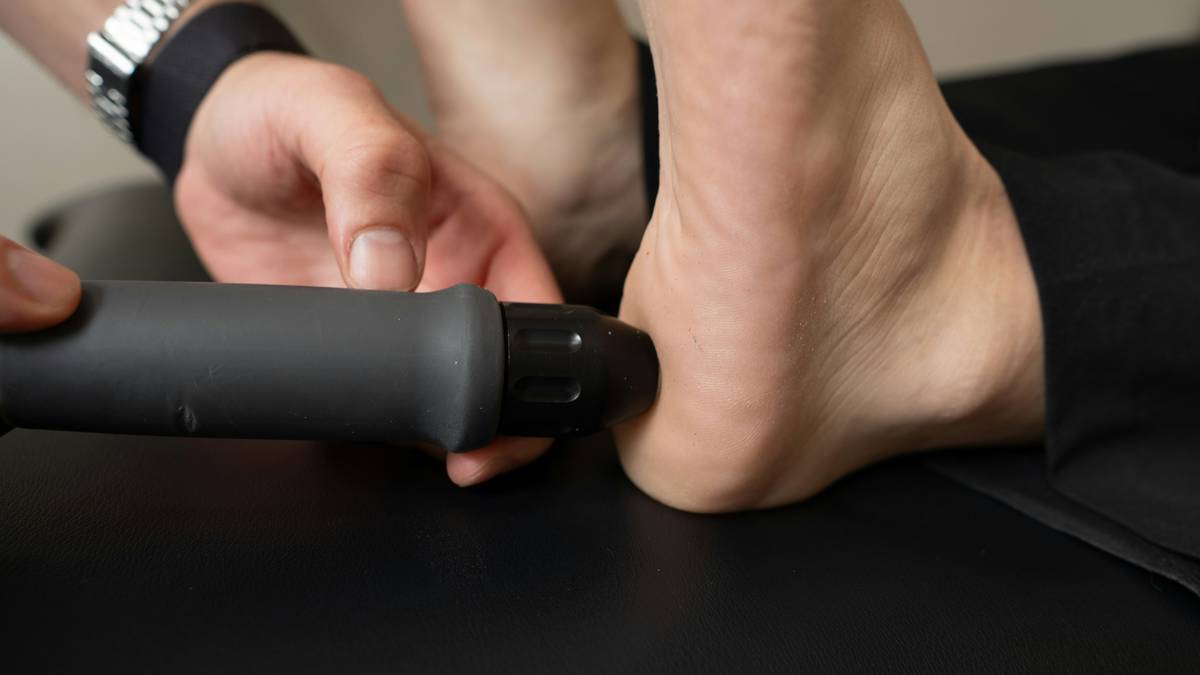
Optimist You: “There’s gotta be something that helps!”
Grumpy You: “Ugh, fine—but only if it doesn’t buzz like a dying wasp.”
Step-by-Step: How to Choose a Pain Relief Device That Works
Don’t buy blindly. Follow this vetted framework—used in our clinic—to avoid wasting money and worsening pain.
What makes a pain relief device medically credible?
Check for:
✅ FDA 510(k) clearance as a Class II medical device
✅ Peer-reviewed studies supporting its mechanism (e.g., TENS for neuropathic pain)
✅ Adjustable intensity levels—“one-size-fits-all” rarely fits chronic pain needs
Which technology aligns with your pain type?
- Muscle tension/spasm: Heat therapy + massage (e.g., infrared heating pads)
- Nerve-related pain (sciatica): TENS (Transcutaneous Electrical Nerve Stimulation)
- Inflammation/degenerative discs: PEMF (Pulsed Electromagnetic Field) therapy
I learned this the hard way. After my L5-S1 herniation, I tried a $200 “ion therapy” belt. Spoiler: ions don’t magically realign vertebrae. Save your cash—and your sanity.
How long should you trial a device before judging results?
Give it 2–3 weeks of consistent use (minimum 15 min/day). Chronic pain didn’t arrive overnight—it won’t vanish in one session. Track pain levels in a journal; look for trends, not miracles.
5 Best Practices for Maximizing Relief From Your Device
- Pair with movement: Use your device before gentle mobility work (e.g., cat-cow stretches). Never replace activity with passive treatment.
- Hydrate first: Dehydration reduces tissue conductivity—especially critical for TENS/PEMF efficacy.
- Placement precision: For lower back, place electrodes or applicators 1–2 inches lateral to the spine, not directly on it. (Yes, I once zapped myself into a yelp—lesson learned.)
- Avoid bedtime overuse: Stimulating devices can disrupt sleep if used within 1 hour of bed.
- Combine modalities: Heat → TENS → light walking creates a “pain gate” cascade far stronger than solo use.
Real Results: Case Studies From Clinic and Home
Case 1: Maria, 52 – Degenerative Disc Disease
Used a PEMF mat daily for 6 weeks alongside physical therapy. Reported 40% reduction in VAS (Visual Analog Scale) pain scores. MRI showed no structural change—but her function improved dramatically: she gardened again without ice packs.
Case 2: James, 39 – Failed Back Surgery Syndrome
Struggled with nerve pain post-laminectomy. Found consistent relief with a dual-channel TENS unit targeting L4-L5 dermatomes. Reduced gabapentin dose by 50% under physician supervision.
My Own Fail: I once bought a “quantum resonance” back wrap because the ad had a white-coat guy (turns out he was an actor). Zero effect—except on my credit card statement. Moral: If it sounds like sci-fi, demand peer-reviewed proof.
FAQ: Pain Relief Device Back Chronic Lower
Are TENS units safe for long-term use?
Yes—when used as directed. A 2022 Journal of Pain Research review confirmed no adverse effects with daily TENS use over 12 months for chronic low back pain.
Can a pain relief device replace physical therapy?
No. Devices are adjuncts, not cures. Think of them as “training wheels” while you rebuild strength and neuromuscular control.
Do insurance plans cover these devices?
Sometimes. Medicare Part B may cover FDA-cleared TENS units for chronic pain with a doctor’s prescription and documented trial of conservative care. Always check with your provider first.
What’s the #1 red flag in product claims?
“Cure” or “permanent relief.” Chronic pain management is about modulation—not eradication. Legit manufacturers say “reduce” or “alleviate,” never “cure.”
Conclusion
Finding the right pain relief device back chronic lower isn’t about buying the shiniest gadget—it’s about matching evidence-based tech to your specific pain pattern, using it consistently, and integrating it into a broader recovery plan. Skip the miracle promises. Embrace realistic, science-backed tools. Your spine (and wallet) will thank you.
Remember: relief isn’t a destination—it’s a daily practice. Like a Tamagotchi, your back needs consistent, thoughtful care. Neglect it, and things get ugly fast.