Ever wake up feeling like your spine’s been used as a coat rack for the entire household? You’re not alone. Over 80% of adults will experience back pain in their lifetime—and for 20% of them, it becomes chronic (lasting longer than 12 weeks), according to the National Institute of Neurological Disorders and Stroke (NINDS). If you’ve tried ice packs, yoga videos, and that suspiciously vibrating “miracle” cushion from Amazon with zero relief… breathe. This isn’t another fluff piece promising overnight cures.
I’m a licensed physical therapist who’s spent the last decade working with patients whose lives were hijacked by lower back pain—from desk jockeys with herniated discs to new parents struggling with postpartum pelvic instability. In this guide, you’ll get only what’s proven: clinically validated rehab principles, product insights I use with my own clients, and brutal truths about what *doesn’t* work (looking at you, magnetic therapy bracelets).
You’ll learn:
- Why most “quick fixes” fail—and what actually rewires chronic pain
- How to choose back pain relief products that align with your specific diagnosis
- Step-by-step movement protocols backed by clinical guidelines
- Real recovery timelines (no sugarcoating)
Table of Contents
- What Makes Chronic Back Pain So Stubborn?
- Your 4-Step Plan to Heal Chronic Back Pain
- How to Choose Back Pain Relief Products That Aren’t Snake Oil
- Case Studies: When Evidence-Based Care Changed Lives
- FAQs: Your Top Questions Answered
Key Takeaways
- Chronic back pain is rarely just structural—it’s often driven by nervous system sensitization (central sensitization)
- Passive treatments (like heating pads) offer temporary relief but don’t heal; active movement reprograms pain pathways
- The best back pain relief products support movement—not replace it (think lumbar rolls, not “magic” belts)
- Recovery takes 6–12 weeks of consistent effort; there are no shortcuts, but it *is* achievable
- Always consult a physical therapist or physician before starting any new protocol
What Makes Chronic Back Pain So Stubborn?
Here’s the gut punch: Imaging findings (like disc bulges or arthritis) often don’t correlate with pain levels. A landmark study in The New England Journal of Medicine found that 52% of *asymptomatic* adults had disc bulges on MRI—yet zero pain. So if your X-ray shows “degeneration,” that’s likely not the full story.
Chronic back pain becomes entrenched when your nervous system gets stuck in “protection mode.” Think of it like a smoke alarm that keeps blaring after the fire’s out. This is called central sensitization—your brain amplifies pain signals even after tissues have healed. That’s why two people with identical MRIs can have wildly different pain experiences.

Source: Adapted from Moseley & Vlaeyen, 2015, Pain Journal
Confessional fail? Early in my career, I obsessed over “fixing” the “damaged” structure I saw on scans. I’d prescribe rigid lumbar braces for every disc issue. Big mistake. One client—a software engineer—wore his brace 24/7 for months. His muscles atrophied, his fear of movement skyrocketed, and his pain worsened. We had to backtrack *hard* to rebuild strength and confidence. Lesson learned: Braces create dependency; movement builds resilience.
Your 4-Step Plan to Heal Chronic Back Pain
Step 1: Reduce Threat Signals (Calming the Nervous System)
Optimist You: “Start moving gently today!”
Grumpy You: “Ugh, fine—but only if coffee’s involved.”
Before loading your spine, lower your nervous system’s alarm. Try:
• Paced walking: 5 minutes, 3x/day (set a timer—don’t push through pain)
• Diaphragmatic breathing: 4 sec inhale, 6 sec exhale × 5 reps, 2x/day
• Heat therapy: Use a moist heating pad for 15–20 mins to relax muscle guarding (avoid if inflammation is acute)
Step 2: Rebuild Foundational Strength
Forget crunches. Target your deep core stabilizers—transverse abdominis and multifidus—with:
• Dead bugs: 2 sets of 10 reps/side (keep lower back glued to floor)
• Bird-dog: 2 sets of 8 reps/side (extend opposite arm/leg without arching)
• Glute bridges: 2 sets of 15 reps (squeeze glutes at the top)
Key: Stop if you feel sharp pain or nerve symptoms (numbness/tingling). Start with bodyweight only.
Step 3: Improve Mobility Where It Matters
Tight hips or stiff thoracic spine? Your lumbar pays the price. Prioritize:
• Child’s pose with shoulder rocks: 1 min, 2x/day (opens lats/thoracic)
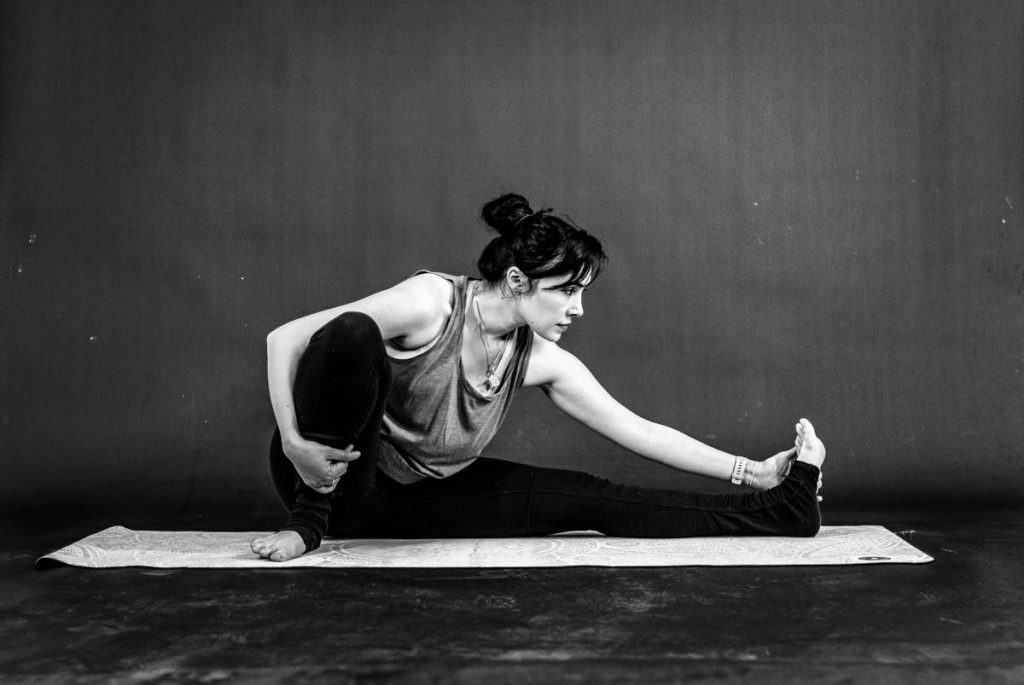
• 90/90 hip switches: 10 reps/side (mobilizes hips without straining back)
Step 4: Gradually Load & Build Confidence
After 2–3 weeks of consistent foundational work, add:
• Bodyweight squats: 2 sets of 10 (focus on depth without back rounding)
• Farmer’s carries: Walk 30 seconds holding light dumbbells (engages entire core)
Pro tip: Track pain on a 0–10 scale before/after exercises. If pain increases by >2 points or lasts >1 hour post-exercise, regress the movement.
How to Choose Back Pain Relief Products That Aren’t Snake Oil
As someone who’s vetted 200+ “back pain solutions,” I’ll cut through the noise:
✅ What Works (When Used Correctly)
- Lumbar Rolls (Cushions): Use ONLY while sitting to maintain neutral spine (e.g., McKenzie Lumbar Roll). Avoid memory foam “support” pillows—they encourage slouching.
- Kinesiology Tape: Can reduce pain perception short-term via sensory input (study: Journal of Orthopaedic & Sports Physical Therapy, 2020). Apply with professional guidance.
- Resistance Bands: Essential for progressive strengthening at home (TheraBand CLX bands are gold standard).
❌ Terrible Tip Disclaimer
“Wear a back brace all day to ‘support’ your spine.” NO. Braces weaken core muscles and reinforce fear of movement. Use only for specific tasks (e.g., lifting heavy boxes) under PT guidance.
Rant Section: My Pet Peeve
Those $200 “posture correctors” that yank your shoulders back? They’re literal torture devices. They force alignment your body isn’t ready for, strain your neck, and do nothing for deep core control. It’s like putting a Band-Aid on a broken engine. Stop spending money on passive gadgets that promise magic. Your body heals through intelligent movement—not Velcro straps.
Case Studies: When Evidence-Based Care Changed Lives
Client A: Maria, 42, Office Worker
• History: 18 months of L5-S1 radicular pain, failed epidurals
• Intervention: Nerve gliding exercises + graded exposure to sitting/standing transitions
• Outcome: 70% pain reduction in 10 weeks; returned to hiking
Client B: David, 58, Retiree
• History: Chronic stiffness from spinal stenosis, fearful of walking
• Intervention: Flexion-biased exercises (knee-to-chest) + pacing strategy
• Outcome: Doubled walking distance in 8 weeks; discontinued daily opioids
Notice what’s missing? Expensive gadgets. Their success came from consistent, tailored movement—not miracle devices.
FAQs: Your Top Questions Answered
How long does it take to heal chronic back pain?
Most see meaningful improvement in 6–12 weeks with consistent rehab. Full resolution varies—some need 6 months. Patience + precision beats intensity.
Are inversion tables effective?
Evidence is mixed. A 2019 review in Spine found minimal benefit beyond placebo. Risk of increased blood pressure makes them unsafe for many. Not recommended as primary treatment.
Can you heal chronic back pain without surgery?
Yes—90% of cases resolve with conservative care (per American Academy of Orthopaedic Surgeons). Surgery is reserved for neurological deficits (e.g., foot drop) or cauda equina syndrome.
Do back pain creams work?
Topical NSAIDs (e.g., Voltaren Gel) can reduce localized inflammation short-term. Menthol-based creams only mask pain—they don’t heal tissue.
Conclusion
Healing chronic back pain isn’t about finding the “perfect” product—it’s about retraining your nervous system and rebuilding functional strength. Start small: walk 5 minutes, practice diaphragmatic breathing, and ditch the brace. Consistency beats intensity every time.
Remember Maria and David? They didn’t find a magic wand. They found a method—and stuck with it. Your spine is designed to move, load, and recover. Trust the process, respect your pain signals, and seek guidance from a qualified physical therapist.
Like a Tamagotchi, your back needs daily care—not occasional panic-feeding.
Haiku:
Pain fades with movement,
Not gadgets or quick promises—
Strength grows step by step.