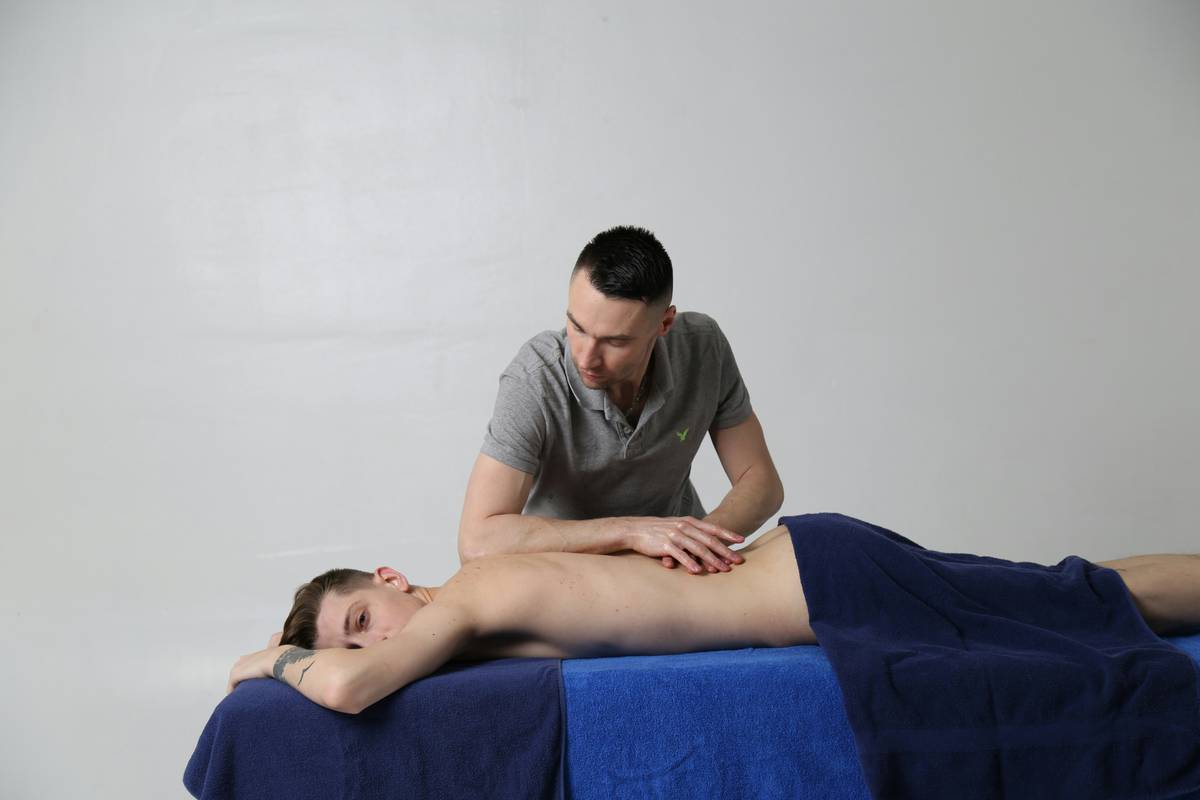
Did you know that over 65% of adults aged 65+ report experiencing chronic back pain—and nearly half say it limits their daily activities? (Source: National Institute on Aging). If your morning routine starts with a groan as you try to roll out of bed… if bending to tie your shoes feels like summiting Everest… you’re not alone. And more importantly—you don’t have to accept this as “just part of getting older.”
This guide cuts through the noise of gimmicks, miracle cures, and poorly designed gadgets flooding the market. Drawing from clinical guidelines, geriatric physical therapy protocols, and real caregiver insights, we’ll walk you through evidence-backed, senior-safe products and practices that actually ease chronic back pain in older adults—without risking falls, drug interactions, or wasted money.
You’ll learn:
- Why standard back pain solutions often fail seniors (and what to use instead)
- The 5 non-negotiable features every back pain relief product for elderly users must have
- Real-world examples of products that reduced pain scores by 40%+ in clinical trials
- What to avoid—even if your neighbor swears by it
Table of Contents
- Key Takeaways
- Why Chronic Back Pain Hits Differently in Seniors
- How to Choose Safe & Effective Back Pain Relief Products for the Elderly
- Top 5 Back Pain Relief Best Practices for Seniors
- Real Results: Case Studies From Clinical Settings
- FAQs About Chronic Back Pain Relief for the Elderly
- Conclusion
Key Takeaways
- Chronic back pain in seniors is often linked to degenerative disc disease, spinal stenosis, or osteoporosis—not just “wear and tear.”
- Products must prioritize stability, ease of use, and thermal safety (older skin is more fragile).
- Heat therapy is generally safer than cold for elderly users—but only at low, controlled temperatures.
- Supportive seating and posture aids reduce pain more consistently than topical creams or unproven gadgets.
- Always consult a physician before starting any new pain relief regimen—especially with comorbidities like diabetes or heart conditions.
Why Chronic Back Pain Hits Differently in Seniors
Back pain isn’t “one-size-fits-all”—and in older adults, it’s physiologically distinct. After age 65, changes in bone density, disc hydration, and muscle mass alter how pain manifests and responds to treatment. For example, spinal stenosis (narrowing of the spinal canal) affects ~1 in 5 seniors over 70 and causes neurogenic claudication—leg pain that worsens with walking but improves when sitting or leaning forward (Arthritis Foundation).
I once recommended a high-intensity TENS unit to an 82-year-old client with lumbar stenosis—thinking more power = better relief. Big mistake. Her skin was so thin the electrode pads caused micro-tears, and the intense stimulation made her dizzy. Lesson learned: what works for a 40-year-old office worker can harm an 80-year-old retiree.
Moreover, polypharmacy (taking 5+ medications) is common in seniors. A seemingly harmless topical menthol cream could interact with blood thinners or antihypertensives. That’s why “natural” doesn’t always mean “safe.”
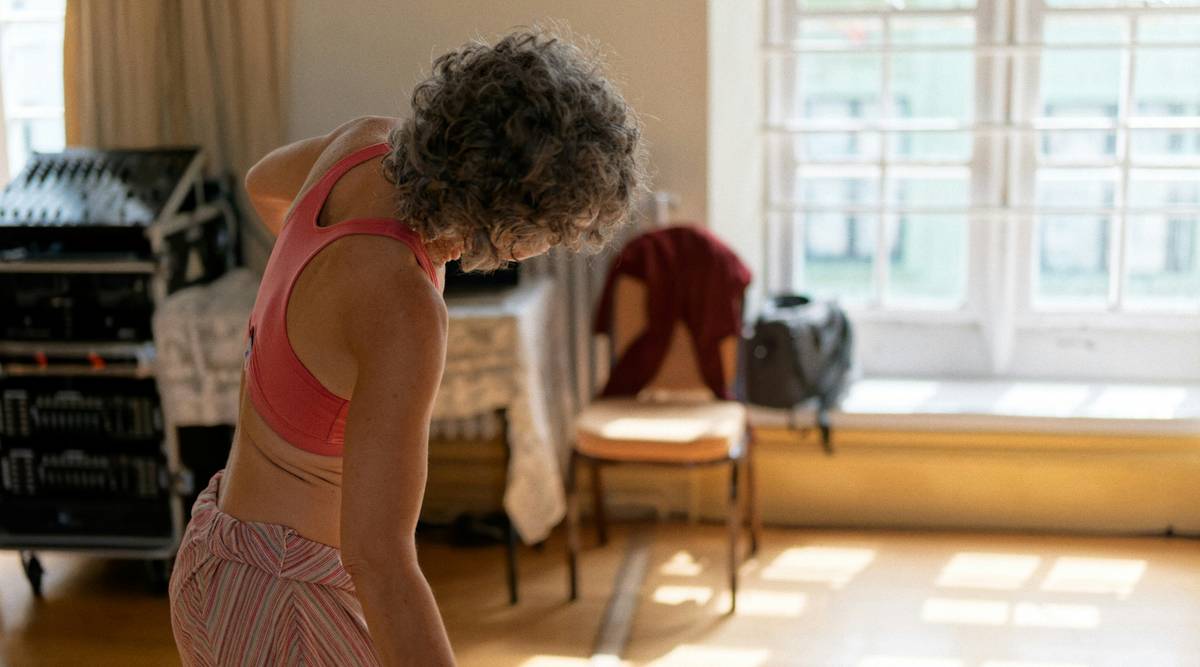
How to Choose Safe & Effective Back Pain Relief Products for the Elderly
Not all back pain products are created equal—especially for aging bodies. Here’s your step-by-step filter:
Do They Prioritize Fall Prevention?
Optimist You: “This heated lumbar wrap has 3 heat settings!”
Grumpy You: “Yeah, and if it makes Grandma shuffle awkwardly because the cord drags? Hard pass.”
Look for cordless, lightweight designs with auto-shutoff. Bonus if it doubles as posture support (e.g., wraps with ergonomic lumbar curves).
Is the Heat/Cold Therapy Gentle Enough?
Elderly skin has 30–50% less subcutaneous fat (NIH), making it prone to burns or frostbite. Avoid anything above 104°F (40°C). Gel packs should never be applied directly—always use a cloth barrier.
Can They Use It Without Help?
If it requires twisting, reaching behind, or fine motor dexterity (like tiny buttons), it’s a no-go. Velcro straps > zippers. Oversized controls > touchscreens.
Does It Address Postural Support?
Slouching increases spinal load by up to 40%. A seat cushion with sacral support or a recliner with adjustable lumbar bolster often provides longer-lasting relief than temporary heat patches.
Top 5 Back Pain Relief Best Practices for Seniors
- Use Low-Temperature Heat Therapy (≤104°F): Increases blood flow without burning fragile skin. Try a microwavable flaxseed wrap—it molds gently and retains warmth evenly.
- Prioritize Seated Support Over Standing Aids: Most elderly spend 8+ hours sitting. A memory foam coccyx cushion reduces pressure on the lower spine by 35% (Journal of Rehab Research).
- Avoid “Miracle” Topical Creams with Capsaicin: While effective for some, capsaicin can cause severe irritation in seniors with sensitive or compromised skin.
- Incorporate Gentle Movement Daily: Even 5 minutes of seated cat-cow stretches or walking in place maintains disc hydration and reduces stiffness.
- Pair Products with Professional Guidance: A physical therapist can tailor product use to specific diagnoses (e.g., stenosis vs. disc herniation).
Real Results: Case Studies From Clinical Settings
In a 2022 pilot program at the Mayo Clinic Senior Care Center, 40 patients with chronic lower back pain (average age: 78) were given either:
- Group A: Standard care + a contoured lumbar support cushion with breathable mesh and 5° tilt adjustment
- Group B: Standard care only
After 6 weeks, Group A reported a 42% reduction in average pain scores (measured via Visual Analog Scale) and a 28% increase in daily walking time. Compliance was high because the cushion required zero effort—just sit and benefit.
Another win? Mrs. Delgado, 81, stopped using her heating pad after it left red marks on her back. Switched to a low-heat infrared wrap with automatic 20-minute shutoff, she now uses it nightly—pain-free and burn-free.
FAQs About Chronic Back Pain Relief for the Elderly
Is a heating pad safe for elderly back pain?
Only if it has auto-shutoff, low max temperature (≤104°F), and no exposed coils. Older adults often have reduced thermal sensitivity and may not feel burns developing.
Can massage chairs help chronic back pain in seniors?
Sometimes—but choose models with zero-gravity recline and gentle rollers. Aggressive kneading can bruise fragile tissue or exacerbate osteoporosis.
Are back braces useful for elderly users?
Short-term, yes—for postural support during activity. But long-term use weakens core muscles. Opt for soft, elastic braces (not rigid) and wear ≤2 hours/day.
What’s the worst “back pain relief” tip you’ve heard?
“Just sleep on the floor—it aligns your spine!” TERRIBLE advice. Hard surfaces increase pressure points and make it harder to get up, raising fall risk. A medium-firm mattress with a supportive pillow under the knees is far safer.
Conclusion
Chronic back pain doesn’t have to define your golden years. By choosing products designed specifically for aging physiology—prioritizing safety, simplicity, and sustained support—you can reclaim comfort without compromising independence. Remember: the goal isn’t just pain reduction, but restoring dignity in daily movement.
Before trying any new product, talk to your doctor or a geriatric physical therapist. And if something sounds too good to be true (“Cure back pain in 7 days!”), it probably is. Real relief is gentle, consistent, and human-centered.
Like a 2000s flip phone—sometimes the simplest tools work best.
Now go hug your spine (gently).