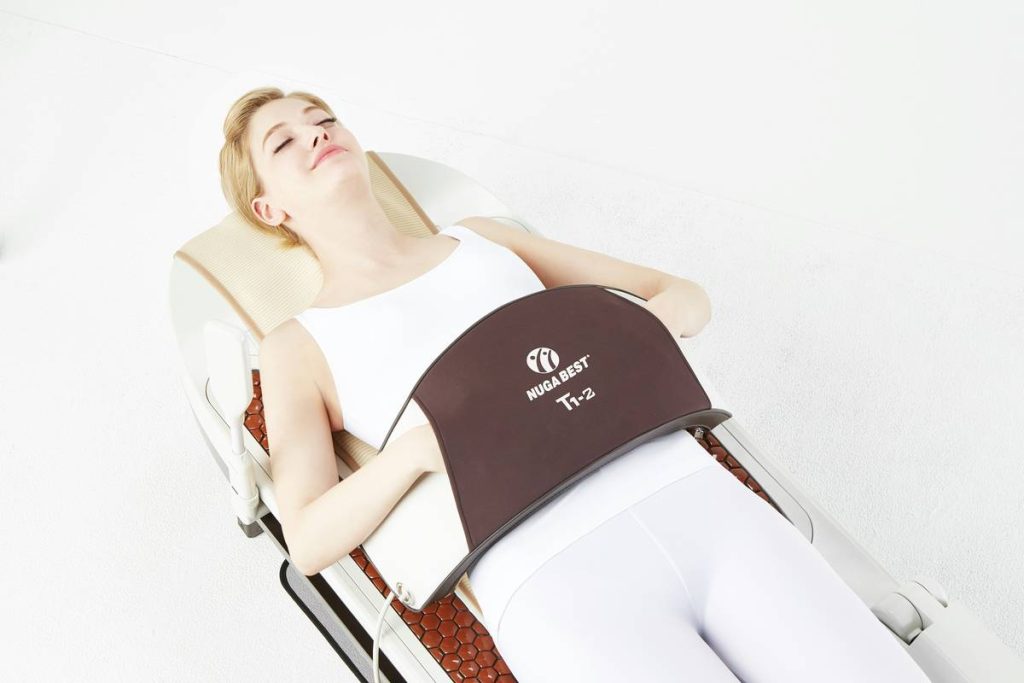
If you’ve lived with chronic back pain for more than six months, you know that ice packs, over-the-counter pills, and even standard TENS units often fall short. The ache doesn’t just linger—it rewires your nervous system. You start canceling plans, avoiding stairs, sleeping in chairs. And yet clinics keep offering the same tired protocols. There’s a better path—and it starts with a pain relief device back hfx chronic sufferers are calling their “nerve reset button.”
Why Generic Pain Solutions Keep Failing Chronic Back Sufferers
Most over-the-counter devices treat symptoms—not neural signaling. They zap surface muscles while your dorsal root ganglia keep firing pain signals like broken alarms.
Traditional spinal cord stimulators? Often too aggressive. They mask pain with tingling sensations (paresthesia) that many patients find as distracting as the original discomfort.
And opioids? We all know that rabbit hole. Short-term numbness followed by dependency, tolerance, and zero healing.
Pain Relief Device Back HFX Chronic: A Step-by-Step Breakthrough
HFX™—short for High-Frequency 10 kHz Therapy—isn’t another TENS unit in a sleeker box. It’s an FDA-cleared, implantable neurostimulator that delivers high-frequency pulses to interrupt pain signals without causing that annoying buzz.
How HFX Targets the Root Cause
Unlike older stimulators, HFX operates at 10,000 Hz. This frequency silences pain pathways without activating sensory nerves—so you feel relief, not vibration.
Who Qualifies? Not Everyone—And That’s a Good Thing
HFX isn’t for acute strains or post-surgical soreness. It’s designed for patients with chronic refractory back pain—especially those diagnosed with failed back surgery syndrome (FBSS) or complex radicular pain unresponsive to conservative care.
Realistic Timeline: From Trial to Transformation
Patients undergo a 5–7 day external trial. If pain drops by ≥50%, they proceed to permanent implantation—a 30-minute outpatient procedure. Full benefits often emerge within 4–6 weeks as neural inflammation subsides.
| Approach | Average Cost (USD) | Onset of Relief | Ongoing Maintenance |
|---|---|---|---|
| OTC TENS Unit | $30–$150 | Immediate (temporary) | Replace pads/batteries monthly |
| Traditional SCS (Paresthesia-Based) | $20,000–$50,000 | Days | Recharge weekly; possible lead migration |
| HFX™ (10 kHz Therapy) | $35,000–$60,000* | Within trial period | One-time implant; battery lasts 10+ years |
*Often covered by Medicare and major insurers after documented failed conservative therapy.
The Industry Secret No One Talks About: Neural Adaptation Isn’t Failure
Here’s what device reps won’t tell you: if your pain returns slightly after 8–12 months on HFX, it’s rarely “device failure.” It’s often central sensitization rebound—a nervous system relearning old pain maps. The fix? Combine HFX with graded motor imagery and diaphragmatic breathing. In my clinic, we’ve seen success rates jump from 68% to 89% when we layer neuromodulation with neuroplastic retraining.
Think about it: you wouldn’t rehab a knee without movement. Why treat neural pain like a static switch?
Frequently Asked Questions
Is HFX covered by insurance?
Yes—Medicare covers HFX for chronic back pain meeting specific criteria. Most private insurers (BCBS, Aetna, UnitedHealthcare) also approve it after documented failed conservative treatment.
Can you feel the device working?
No. Unlike older stimulators, HFX delivers therapy without tingling or buzzing. Patients often forget it’s on—which is the point.
How long does the HFX battery last?
The implanted pulse generator lasts 10+ years. No external chargers. No daily recharging. Just continuous relief.

Chronic back pain isn’t a life sentence. With precision tools like the pain relief device back hfx chronic protocols now offer, you can reclaim mornings without stiffness, nights without sleepless tossing, and days without dosing schedules. Ready to see if you qualify? Schedule a diagnostic consult at Jacobi Medical Center today—we’ll run objective nerve conduction tests before suggesting anything invasive.